
Contact Info
Saeed Colony No 2, Dogar Street Corner, Behind Lyallpur Galleria, Faisalabad - Pakistan
+92-300-9657744
khalil@vision.pk
Get StartedRecommended Services


Supported Scripts

Table of Contents
Introduction: The Loom Never Stops, So Why Should Your Website?
Picture this. It’s 2 a.m. in New York. A sourcing manager for a mid-sized fashion label is scrolling through supplier options, trying to find someone who can deliver 40,000 meters of cotton twill on a tight deadline. She’s not picking up the phone. She’s not flying anywhere. She’s googling.
And somewhere, a perfectly capable textile manufacturing unit with the machines, the workforce, and the export experience to win that order… doesn’t show up. Not because the factory isn’t good enough. Because it isn’t online in a way that buyers can find, trust, or verify.
That’s the quiet tragedy happening across the textile industry right now. Factories that have spent decades perfecting fabric quality are losing deals to competitors with half their capability — simply because those competitors have a website that loads fast, looks credible, and answers the buyer’s questions before she even has to ask.
I’ve talked to factory owners who genuinely believe a website is “extra.” A nice-to-have. Something for tech companies, not for people who actually make things. I get the instinct — when your hands are full running production lines, “go build a website” sounds like a distraction. But here’s the truth: in 2026, a textile manufacturing unit without a strong online presence isn’t running lean. It’s running invisible.
This article walks through everything a textile manufacturing unit actually needs to know about going online — hosting, security, email, costs, catalogs, and ongoing support — without the jargon and without the sales fluff. And by the end, you’ll see exactly why vision.pk has become the go-to partner for manufacturers who want this handled properly, the first time.
Contact vision.pk now on WhatsApp at https://wa.me/923009657744 if you’d rather skip the reading and just start the conversation. No pressure — the rest of this guide will still be here.
What Exactly Counts As a Textile Manufacturing Unit Today
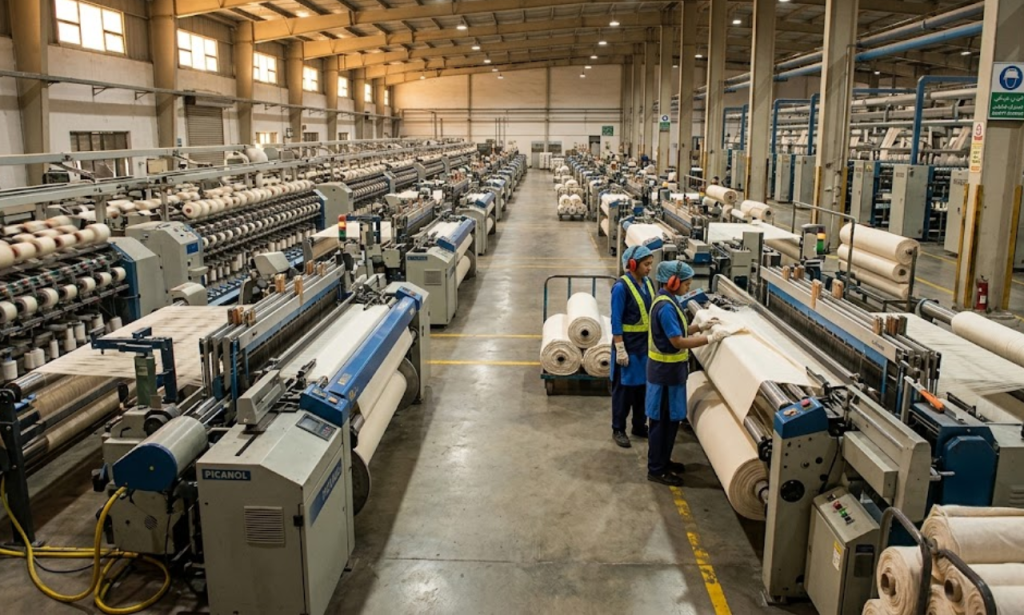
Before we go further, let’s get on the same page. A textile manufacturing unit isn’t just a giant mill with a thousand looms. It’s any operation — small, mid-sized, or massive — that takes raw or semi-processed fiber and turns it into usable fabric, yarn, or finished garments. That includes:
- Spinning units turning raw cotton or synthetic fiber into yarn
- Weaving and knitting units producing fabric rolls
- Dyeing and finishing units adding color, texture, and treatment
- Garment manufacturing units cutting and stitching finished products
- Composite units that handle the entire chain under one roof
What ties all of these together is one thing buyers care about deeply: capability proof. A buyer wants to know your machinery, your certifications, your production capacity, and your turnaround time — and they want to know it before they ever pick up a phone. That single fact is why every textile manufacturing unit, regardless of size, now needs a digital front door.
Why Every Textile Manufacturing Unit Needs a Website in 2026
Let’s address the elephant in the room first, because it’s the one question I hear most: “We’ve survived decades without a website. Why now?”
Fair question. Here’s the honest answer — buyer behavior has changed, even if your production process hasn’t. International fashion brands, sourcing agents, and procurement teams now do almost all of their initial supplier screening online. They search for capability, certifications like ISO or OEKO-TEX, production capacity, and export history — and they do it silently, without contacting you, before they ever shortlist a single supplier.
If your textile manufacturing unit doesn’t show up in that search, or shows up looking outdated and unprofessional, you’re eliminated before the conversation even starts. It’s brutal, but it’s the reality of modern B2B sourcing.
Here’s a simple comparison of what changes when a textile manufacturing unit moves from “offline only” to having a proper online presence:
| Factor | Textile Manufacturing Unit Without a Website | Textile Manufacturing Unit With vision.pk’s Setup |
|---|---|---|
| Buyer discovery | Relies entirely on referrals and trade fairs | Found organically through search and direct inquiry |
| Credibility signal | Buyer has no way to verify capacity or certifications | Capabilities, certifications, and catalog visible instantly |
| Communication | Generic email or WhatsApp only | Branded professional email + structured inquiry forms |
| Order handling | Manual, scattered across calls and messages | Centralized digital catalogs and B2B portal options |
| Scalability | Hard to expand to new export markets | Easily targets new regions with a global-ready platform |
| First impression | Inconsistent, depends on who answers the phone | Consistent, professional, available 24/7 |
That table alone explains why so many manufacturers are making the shift. It isn’t about chasing trends — it’s about not losing winnable business to competitors who simply look more credible online.
This is exactly the gap vision.pk was built to close. We specialize in turning a traditional textile manufacturing unit into a fully credible, globally discoverable digital entity — without the factory owner needing to understand a single line of code.
Going Online Without Touching a Single Line of Code
Here’s where most factory owners get stuck. They know they need a website. They have no idea where to start, and frankly, no time to learn web development between managing production schedules and chasing export orders.
This is the exact problem vision.pk solves. We don’t hand you a list of tools and wish you luck. We manage the entire technical journey for your textile manufacturing unit — domain registration, hosting setup, corporate email configuration, website build, and ongoing maintenance — start to finish.
Think of it like this: you wouldn’t ask your loom operator to also run your accounting department. Different skill, different focus. The same logic applies here. Running a textile manufacturing unit and running web infrastructure are two completely different disciplines, and trying to do both yourself usually means doing neither well.
With vision.pk handling the technical side, your team stays focused on what actually grows the business — production quality, client relationships, and export deals. We become the quiet engine running in the background.
Want this handled for your factory? Reach out now on WhatsApp: https://wa.me/923009657744
Choosing the Right Hosting For a Textile Manufacturing Unit
This is the part most people skip past, and it’s exactly where things go wrong later. Hosting isn’t glamorous, but it’s the foundation everything else sits on. A textile manufacturing unit dealing with high-resolution fabric catalogs, global buyer inquiries, and B2B portal logins needs hosting that’s built for that load — not a basic shared plan meant for a personal blog.
Here’s what actually matters when picking hosting for a textile manufacturing unit:
1. Load speed across continents. Your buyer might be in New York, London, or anywhere across Europe. If your hosting only performs well for local traffic, you’re losing international buyers to slow load times before they even see your products.
2. Capacity for heavy media. Fabric weave close-ups, machinery photos, certification documents — these add up fast. Cheap hosting buckles under that weight.
3. Reliability under pressure. During trade fair season or peak sourcing months, traffic spikes. Hosting that can’t handle bursts means your site goes down exactly when buyers are most actively looking.
vision.pk offers Corporate, VPS, and Cloud Hosting architectures specifically suited to manufacturers with these needs. The goal is simple: your global catalog should load instantly, whether the visitor is browsing from across the street or across the ocean.
| Hosting Type | Best Suited For | Key Strength |
|---|---|---|
| Corporate Hosting | Small to mid-size textile manufacturing units starting their online journey | Affordable, reliable, fully managed |
| VPS Hosting | Growing units with B2B portals and bulk catalog traffic | Dedicated resources, better performance control |
| Cloud Hosting | Large-scale exporters with high, unpredictable traffic | Elastic scaling, near-zero downtime |
Whichever tier fits your current scale, the underlying promise stays the same — your textile manufacturing unit’s website stays fast, available, and ready to convert a browsing buyer into an inquiry.
Keeping Bulk Orders and Buyer Data Locked Down
International buyers don’t just browse your catalog — eventually, they place orders, share specifications, and exchange sensitive business details through your platform. If that infrastructure isn’t secure, you’re not just risking downtime. You’re risking buyer trust, and in B2B textile trade, trust is the entire relationship.
A textile manufacturing unit handling bulk international orders needs infrastructure with:
- Real-time server monitoring that catches threats before they escalate
- Automatic security patching so vulnerabilities don’t sit open for weeks
- Encrypted data handling for client databases and order systems
- Hardened trade portal architecture that resists common attack vectors
This isn’t optional for a serious export-focused textile manufacturing unit. One breach involving a major buyer’s order details can quietly end a relationship that took years to build. vision.pk builds this protection into the infrastructure from day one — not as an afterthought bolted on later when something already went wrong.

Surviving Traffic Spikes During Trade Season
Here’s a scenario that plays out more often than you’d think. A textile manufacturing unit finally gets featured in an industry roundup, or a major trade exhibition drives a wave of interest, and suddenly hundreds of buyers hit the website at once.
On weak hosting, the site slows down or crashes entirely — right at the exact moment the factory should be capturing maximum interest. It’s one of the most painful and avoidable failures in this entire process.
With proper cloud infrastructure, this isn’t a concern. vision.pk builds in high-speed cloud capacity and maximum data transfer allowances so a textile manufacturing unit’s platform stays live and responsive with a 99.9% uptime guarantee — even during the busiest global sourcing windows or exhibition seasons.
The difference between a site that survives a traffic spike and one that doesn’t usually comes down to decisions made months earlier, during the hosting setup. This is exactly why getting it right from the start matters so much more than people expect.
Don’t wait for a crash to find out your hosting can’t handle demand. Talk to vision.pk now: https://wa.me/923009657744
Why a Branded Email Address Changes How Buyers See You
This one seems small, but it carries enormous weight in B2B trade. Imagine sending an official export quote from “factoryguy92@gmail.com.” Now imagine sending the exact same quote from “exports@yourfactory.com.” Same content, completely different impression.
International buyers read these small signals constantly. A generic email address quietly tells them this might be a small, informal, possibly unreliable operation. A branded domain email tells them the opposite — this is an established business that takes its communication seriously.
vision.pk sets up secure, custom domain email hosting for every textile manufacturing unit we work with, built on reliable bare-metal infrastructure so messages land reliably in the buyer’s inbox instead of getting buried in spam folders. It’s a small change with an outsized effect on how seriously your factory gets taken in early-stage negotiations.
Getting Found: Mobile Design and Search Visibility
Here’s something that surprises a lot of factory owners once they understand it: roughly half of all B2B buyer research today happens on a phone, not a desktop computer. A sourcing manager might be scrolling supplier options between meetings, on a flight layover, or while walking through a trade show hall. If a textile manufacturing unit’s website doesn’t render properly on a small screen, that buyer simply moves on to the next search result.
Mobile-friendliness used to be treated as a “nice extra.” It isn’t anymore. Search engines themselves now rank mobile-unfriendly sites lower, which means a poorly optimized textile manufacturing unit website doesn’t just lose buyers on mobile — it becomes harder to find in search results altogether, even on desktop.
There are a few specific things that matter here:
Responsive layout. The site needs to reshape itself cleanly across phone, tablet, and desktop screens, without text running off the edge or images getting cropped awkwardly. A textile manufacturing unit’s fabric catalog should look just as sharp on a five-inch phone screen as it does on a widescreen monitor.
Fast mobile load times. Mobile networks are often slower and less stable than office Wi-Fi. A heavy, unoptimized website that loads fine on a fiber connection can crawl on a 4G signal in a hotel lobby halfway across the world. Image compression, efficient code, and proper hosting all play a role here.
Touch-friendly navigation. Buttons, menus, and contact forms need to work easily with a thumb, not just a mouse cursor. Small, cramped navigation elements frustrate mobile visitors fast, and frustrated visitors leave.
Search visibility basics. Beyond mobile design, a textile manufacturing unit needs its website structured in a way search engines can actually read and rank — clear headings, descriptive page titles, properly tagged images, and content that genuinely answers what buyers are searching for. This isn’t about gaming search engines; it’s about making sure the factory’s real capabilities are easy for both buyers and search algorithms to understand.
Here’s a quick breakdown of how these pieces typically stack up in terms of buyer impact:
| Factor | Why It Matters to a Textile Manufacturing Unit | Impact If Ignored |
|---|---|---|
| Responsive design | Buyers browse on phones during travel and trade events | Catalog looks broken, buyer leaves immediately |
| Mobile load speed | Slower mobile networks amplify any inefficiency | High bounce rate, lost inquiries |
| Touch navigation | Most mobile interaction happens via thumb taps | Frustrated visitors abandon the inquiry form |
| Search structure | Determines whether buyers find the site at all | Site stays invisible despite strong production capability |
vision.pk builds every textile manufacturing unit website with these factors handled from the start, rather than retrofitting them later. It’s far easier — and far cheaper — to get mobile performance and search structure right during the initial build than to rebuild a poorly structured site months down the line after losing inquiries to faster competitors.
What It Actually Costs to Bring a Textile Manufacturing Unit Online
I won’t pretend every textile manufacturing unit needs the same setup. A small weaving unit with a modest catalog has very different needs from a composite export house running ERP integrations and a full B2B ordering portal. Pretending otherwise — quoting one flat number for every factory — would be dishonest.
That’s exactly why vision.pk doesn’t work off a fixed price list. Instead, our infrastructure specialists look at your actual operation: your production scope, your export goals, your regional targeting, and your current digital maturity. From there, we build a plan that fits — nothing oversized, nothing undersized.
The point isn’t to sell you the biggest package available. It’s to make sure your textile manufacturing unit only pays for the exact digital resources it genuinely needs to compete. That approach is also why so many manufacturers stick with vision.pk long after the initial setup — the plan grows with the factory instead of locking it into something rigid.
If you want a clear, honest read on what your specific setup would involve, the fastest way to find out is simply to ask.
Get a tailored plan for your factory: https://wa.me/923009657744
Showing Off Your Fabric Catalog Without Killing Page Speed
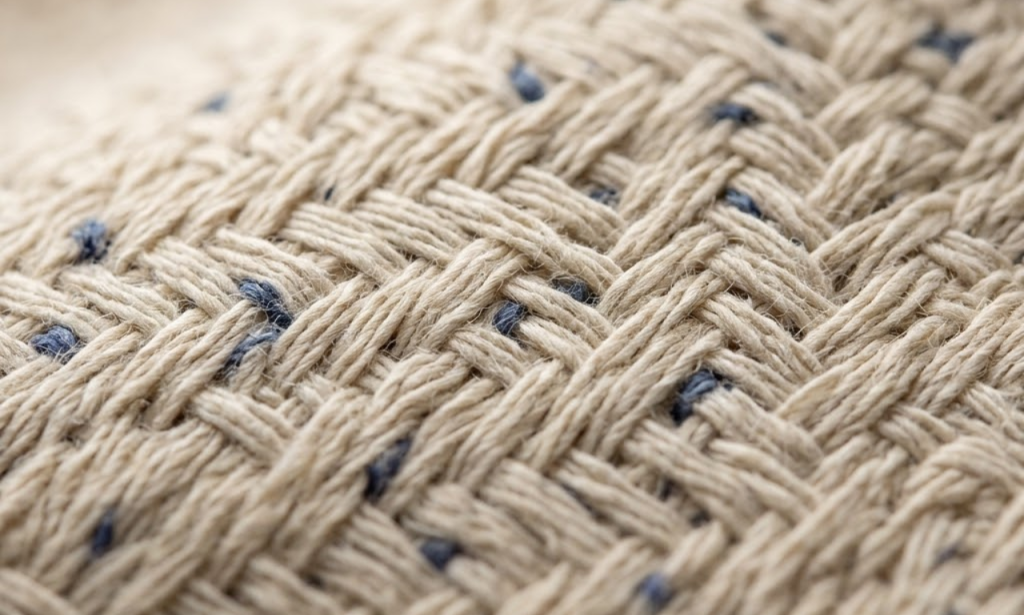
Fabric sells on texture and detail. Buyers want to zoom into weave patterns, see machinery in action, and browse garment lines up close. The problem is that this kind of high-definition visual content is exactly what slows down a typical website — and a slow-loading catalog page is one of the fastest ways to lose an impatient international buyer.
This is a technical balancing act, and it’s one most generic web builders simply don’t solve well. vision.pk uses highly optimized WordPress configurations and specialized e-commerce server setups specifically tuned for media-heavy textile manufacturing unit websites. The result: heavy fabric photography and machinery footage load quickly, without forcing you to compromise on visual quality.
This matters more than people initially assume. A buyer who has to wait more than a few seconds for a catalog page to load often just leaves and moves to the next supplier in their search results. Speed isn’t a vanity metric here — it’s directly tied to whether your textile manufacturing unit gets the inquiry or loses it silently.
Common Mistakes Textile Manufacturing Units Make Online
After working with manufacturers across different production scales, certain patterns show up again and again. Most of these mistakes aren’t about effort — owners genuinely try to get their textile manufacturing unit online the right way. The problem is usually that nobody warned them about these specific traps before money and time were already spent.
Mistake 1: Treating the website like a digital brochure. A lot of factories build a static page with a few photos and a contact number, then stop. A textile manufacturing unit’s website should function more like a working sales tool — structured catalogs, clear capability statements, and an easy inquiry path — not a leaflet that happens to live online.
Mistake 2: Choosing hosting based on price alone. The cheapest hosting plan usually comes with hidden costs later — slow load times, frequent downtime, and weak security. A textile manufacturing unit handling international buyer traffic needs hosting chosen for performance and reliability first, price second.
Mistake 3: Skipping certifications and capability details. Buyers actively look for proof — ISO numbers, OEKO-TEX status, production capacity figures, lead times. A textile manufacturing unit that buries or omits this information forces the buyer to go elsewhere for verification, and most won’t bother chasing it down.
Mistake 4: No plan for ongoing maintenance. A site that launches well but has no maintenance plan tends to degrade quietly — slower load times, outdated plugins, eventual security gaps. Six months later, owners are surprised the same website that once looked great now underperforms.
Mistake 5: Using a generic email address for business communication. As covered earlier, this one seems minor but has an outsized impact on how seriously international buyers take a first inquiry.
The good news is that every one of these mistakes is avoidable with the right setup from day one. This is precisely why vision.pk builds the full picture — hosting, security, email, catalog performance, and ongoing support — into a single managed package for every textile manufacturing unit we onboard, instead of patching these gaps after the fact.
Who Keeps the Lights On After Launch
A website isn’t a one-time purchase you set and forget. Software needs updates. Servers need monitoring. Performance needs regular tuning. The question every textile manufacturing unit should ask before launching isn’t just “who builds this” — it’s “who maintains it once it’s live.”
This is where a lot of factory owners get burned. They pay for a website build, it launches, and then six months later something breaks, a plugin conflicts, or the site slows down — and there’s no one left to call.
vision.pk takes a different approach. We provide 24/7 expert technical support that handles backend server maintenance, software updates, and routine performance checks for every textile manufacturing unit we partner with. Think of it less as a vendor relationship and more as an extension of your own operational team — one that happens to specialize in infrastructure instead of fabric.
You focus on running the looms. We run the servers. That division of labor is exactly how it should work.
How to Actually Get Started
Here’s the part that surprises most factory owners — getting started is far simpler than they expect. There’s no need to gather technical specifications, learn hosting terminology, or figure out which server type your textile manufacturing unit needs. That’s literally our job, not yours.
The process typically looks like this:
- You reach out — a quick WhatsApp message is enough to start.
- We assess your operation — production scope, export goals, current online presence (if any), and regional targeting.
- We propose a tailored digital package — built around what your factory actually needs, not a generic template.
- We build and launch — handling hosting, email, design, and security setup end to end.
- We stay on — 24/7 support keeps everything running smoothly long after launch.
No step on that list requires you to understand code, servers, or hosting jargon. That’s the entire point of working with a managed partner like vision.pk instead of trying to piece this together yourself.
Ready to move your textile manufacturing unit online the right way? Start here: https://wa.me/923009657744
Why vision.pk Is the Right Long-Term Partner
There’s no shortage of agencies offering websites. What’s harder to find is a partner that actually understands the specific operational rhythm of a textile manufacturing unit — seasonal traffic spikes, certification-heavy buyer screening, bulky catalog media, and the need for communication that looks as professional as the product itself.
This is the gap vision.pk was built to close. We don’t treat a textile manufacturing unit like a generic small business needing a basic template site. We build around the actual mechanics of how international textile trade works — how buyers search, what they verify, and what makes them confident enough to send the first inquiry.
A few things set this apart from a typical web agency relationship:
- Specialized hosting architecture built for media-heavy, high-traffic B2B catalogs — not repurposed blog hosting.
- Security-first infrastructure designed around protecting buyer data and bulk order details, not bolted on as an afterthought.
- 24/7 ongoing support, so a textile manufacturing unit never has to scramble to find someone to fix an issue after hours.
- Tailored planning, with every recommendation based on your factory’s actual production scope and export goals, not a one-size-fits-all package.
- No technical burden on your team — your staff keeps running production while vision.pk runs the digital side end to end.
The factories that get the most value out of going online aren’t necessarily the biggest ones. They’re the ones that treat the digital side with the same seriousness as the production side. That’s the partnership vision.pk offers every textile manufacturing unit that comes to us — not a one-time build, but a working relationship that grows as the business does.
Frequently Asked Questions
Q1: Why does a traditional textile manufacturing unit need an online website? Because international buyers, sourcing agents, and fashion brands now verify manufacturing capability, certifications like ISO or OEKO-TEX, and production capacity online before ever reaching out. A textile manufacturing unit without a website is essentially invisible to that entire screening process.
Q2: How can a textile manufacturing unit transition online without technical expertise? That’s exactly what vision.pk handles. We remove the technical barrier completely — secure corporate email hosting, high-performance web servers, and full website management — so a textile manufacturing unit becomes a credible online entity without anyone on the team needing to touch code.
Q3: What type of web hosting is best for a large-scale textile manufacturing unit? Large operations dealing with heavy design catalogs, global inquiries, and high-traffic periods need more than basic shared hosting. vision.pk offers Corporate, VPS, and Cloud Hosting architectures designed so your catalog loads instantly whether a buyer is in New York, London, or anywhere across Europe.
Q4: Can a textile manufacturing unit manage bulk international orders and catalogs securely? Yes. B2B portal and catalog hosting requires airtight infrastructure. vision.pk provides strong security frameworks with real-time server monitoring and automatic patching, keeping client databases, order systems, and trade portals protected against cyber threats.
Q5: Will the website handle heavy traffic during international trade seasons? It will, as long as it’s built on the right infrastructure. Weak servers crash under spikes. With vision.pk’s high-speed cloud setup and generous data transfer capacity, a textile manufacturing unit’s platform stays active with a 99.9% uptime guarantee even during peak sourcing and exhibition periods.
Q6: How do custom professional emails benefit a textile manufacturing unit? Sending official quotes from a generic Gmail address looks unprofessional to international buyers. vision.pk sets up secure, custom domain email (like exports@yourfactory.com) on reliable infrastructure, so business communication lands directly in the buyer’s inbox and signals credibility.
Q7: What does it cost to bring a textile manufacturing unit online? It depends entirely on scale — some units need a simple corporate portfolio, others need full ERP-integrated B2B portals. vision.pk builds tailored, affordable plans matched to your exact operational scale, so you only pay for the digital resources your business genuinely needs.
Q8: How can a textile manufacturing unit showcase fabric catalogs and machinery without lag? High-definition fabric weaves and machinery footage can slow standard pages dramatically. vision.pk uses optimized WordPress and e-commerce server configurations built for performance, so heavy media loads fast without sacrificing visual quality.
Q9: Who maintains the server and handles issues after the site goes live? vision.pk does, through 24/7 expert technical support covering backend maintenance, updates, and routine performance checks — functioning as an extension of your own team rather than a one-time vendor.
Q10: How does a textile manufacturing unit get started with vision.pk? It starts with a simple message. vision.pk’s infrastructure specialists then review your factory’s production scope, export goals, and regional targeting to design a cost-effective digital package that fits — no guesswork, no generic templates.
Final Thoughts and Your Next Move
A textile manufacturing unit’s strength has always been measured in thread count, turnaround time, and production capacity. That hasn’t changed. What has changed is where buyers go to evaluate all of that — and increasingly, the answer is online, before a single phone call ever happens.
Going digital isn’t about abandoning what makes your factory good at what it does. It’s about making sure the buyers who would absolutely choose you can actually find you, trust you, and reach you — without friction, without lag, and without a website that quietly works against you.
vision.pk exists to handle exactly that transition, end to end, so a textile manufacturing unit can stay focused on production while the digital side runs quietly and reliably in the background.
If you’ve read this far, you already know your factory deserves better than being invisible to the buyers searching for exactly what you make.
Reach out to vision.pk today and start the conversation: https://wa.me/923009657744