
Contact Info
Saeed Colony No 2, Dogar Street Corner, Behind Lyallpur Galleria, Faisalabad - Pakistan
+92-300-9657744
khalil@vision.pk
Get StartedRecommended Services


Supported Scripts
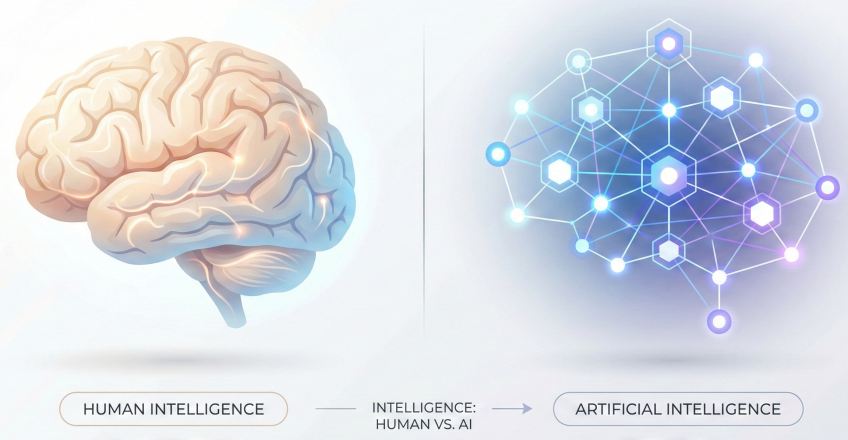

Table of Contents
Introduction
You’ve probably asked your phone a question today. Maybe you scrolled through Netflix recommendations last night, or perhaps you noticed how Amazon seems to know exactly what you want to buy. That’s artificial intelligence at work, and honestly? It’s everywhere.
But here’s the thing—what is AI, really? Beyond the sci-fi movies and the fear-mongering headlines, what does artificial intelligence actually mean for you, your business, or your daily life?
I’m going to level with you: AI isn’t some distant future anymore. It’s the present. And whether you’re a factory owner looking to streamline operations, a freelancer building your online empire, or a tech enthusiast who just wants to understand this game-changing technology, you need to grasp what AI is and how it works.
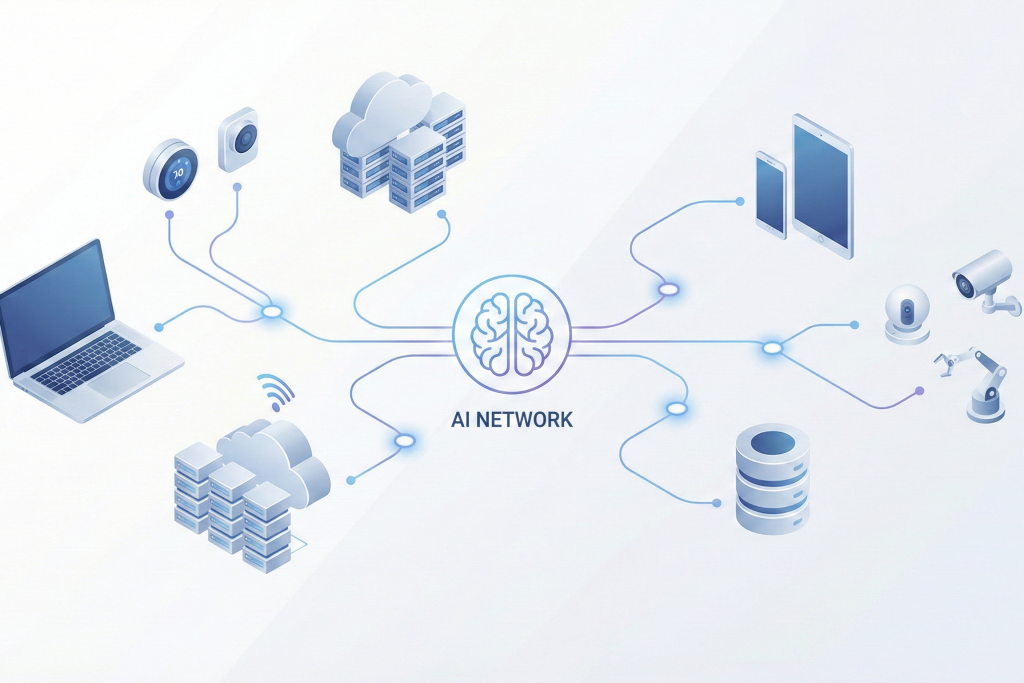
Think of this guide as your no-nonsense companion to understanding AI technology. We’ll skip the jargon, ditch the complexity, and get straight to what matters. By the end, you’ll not only understand what is AI, but you’ll also know how to leverage it—especially if you’re looking to establish a killer online presence through platforms like WordPress.
Ready? Let’s dive in.
What is AI (Artificial Intelligence)?
So, what is AI? Let me break it down for you in the simplest way possible.
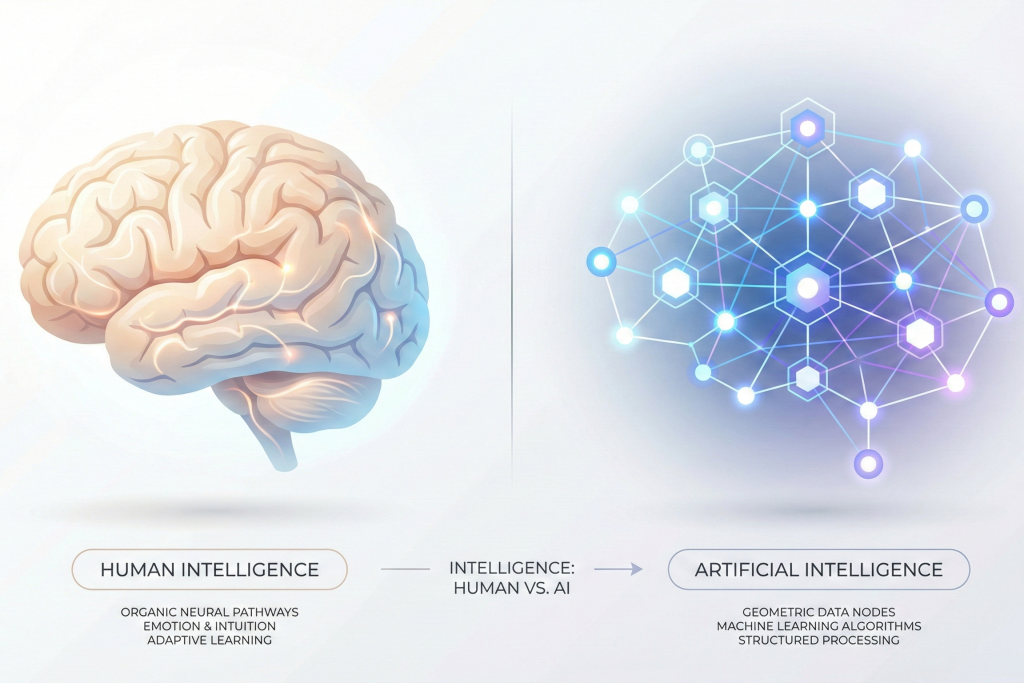
Artificial intelligence is basically teaching computers to think and learn like humans. Not exactly like us—they can’t appreciate a sunset or understand sarcasm (yet)—but they can recognize patterns, make decisions, and even predict outcomes based on data.
Here’s my favorite AI definition: AI is a branch of computer science focused on creating systems that can perform tasks that typically require human intelligence. These tasks include things like:
- Understanding natural language
- Recognizing images and faces
- Making decisions
- Translating languages
- Playing strategic games
- Driving vehicles
The AI meaning goes deeper than just mimicking human behavior, though. It’s about creating machines that can actually improve over time. They learn from experience, adapt to new inputs, and perform human-like tasks with increasing accuracy.
Breaking Down the AI Definition
When we talk about what is AI, we’re really discussing systems that exhibit intelligent behavior. These systems can:
- Perceive their environment (through sensors, cameras, microphones)
- Process information (analyzing data and patterns)
- Make decisions (choosing the best course of action)
- Learn from outcomes (improving future performance)
Think about it this way: when you teach a child to recognize cats, you show them multiple examples. Eventually, they can identify a cat they’ve never seen before. That’s essentially how AI works—it learns from examples and applies that knowledge to new situations.
The Real-World AI Meaning
Here’s what artificial intelligence means in practical terms: it’s technology that makes your life easier without you even realizing it. That spam filter in your email? AI. The voice assistant that sets your morning alarm? AI. The recommendation that introduced you to your now-favorite Netflix show? You guessed it—AI.
For businesses—especially those in Pakistan and globally—understanding what is AI isn’t just academic curiosity. It’s a competitive necessity. Whether you’re running an e-commerce store on Shopify, managing a factory’s supply chain, or building client websites on WordPress, AI technology is reshaping how we work.
How Does AI Work?
Alright, so you know what is AI—but how does AI work? Let’s pull back the curtain.
At its core, AI works through a combination of massive data sets, powerful algorithms, and computing power that would make your laptop weep. But don’t worry, I’ll make this digestible.
The Basic AI Workflow
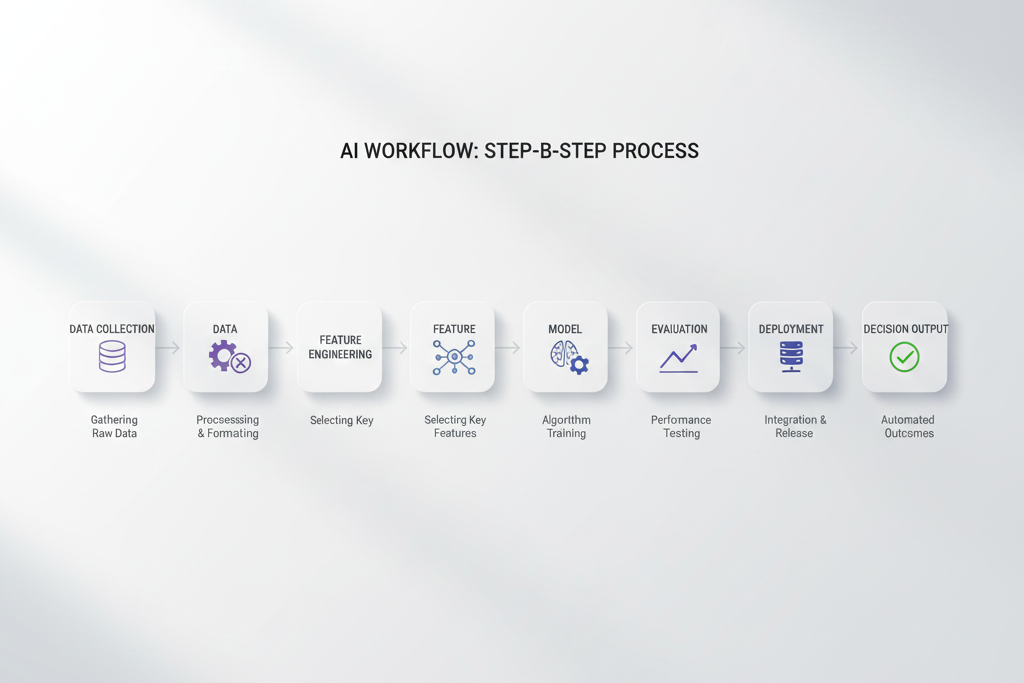
Here’s how AI works in five straightforward steps:
- Data Collection: AI systems need information to learn from. Lots of it. We’re talking millions of data points—images, text, numbers, videos, you name it.
- Data Processing: The system cleans and organizes this data, looking for patterns and relationships that humans might miss.
- Algorithm Application: Special mathematical formulas (algorithms) process this data to identify patterns and make predictions.
- Model Training: The AI “practices” on this data repeatedly, adjusting its approach based on whether its predictions are right or wrong.
- Deployment and Improvement: Once trained, the AI is put to work on real-world tasks, continuously learning and improving from new data.
The Tech Behind the Magic
How does AI work on a technical level? It uses several key technologies:
Neural Networks: Inspired by the human brain, these are interconnected nodes that process information in layers. Each layer learns increasingly complex features—kind of like how you learned to read by first recognizing letters, then words, then sentences.
Algorithms: These are the recipes that tell AI what to do with data. Different algorithms excel at different tasks—some are great for recognizing images, others for predicting trends.
Training Data: This is the fuel that powers AI. The more quality data you feed an AI system, the smarter it becomes. It’s why companies are obsessed with collecting data (sometimes disturbingly so).
Why Understanding How AI Works Matters for Your Business
If you’re building an online presence—whether through a WordPress site with Vision.pk or launching an e-commerce platform—knowing how AI works helps you make smarter decisions. You can:
- Choose AI-powered tools that actually benefit your workflow
- Understand your customers better through AI analytics
- Optimize your website’s performance using AI insights
- Implement chatbots that genuinely help (not annoy) visitors
The bottom line? Artificial intelligence isn’t magic—it’s mathematics, data, and clever engineering working together.
What is the History of AI?
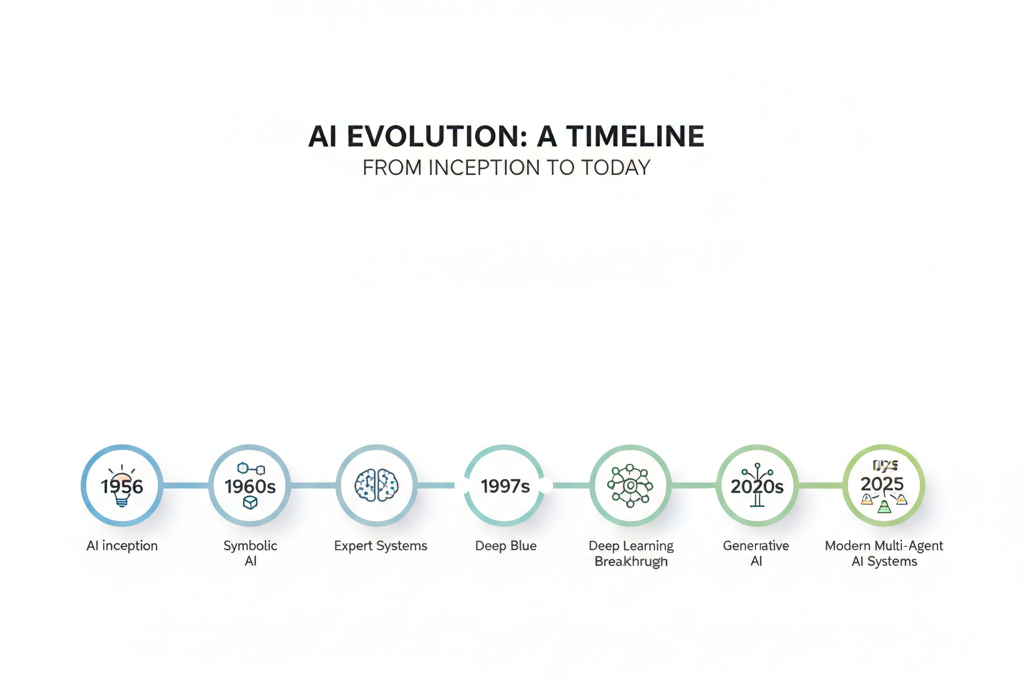
Let’s rewind the clock. The AI history timeline is fascinating, filled with big dreams, crushing disappointments, and unexpected breakthroughs.
The Birth of AI (1950s-1960s)
The question “what is AI” was first seriously posed in 1956 at the Dartmouth Conference, where computer scientist John McCarthy coined the term “artificial intelligence.” The early pioneers believed they’d create human-level AI within a generation. Spoiler alert: they were way off.
Key milestones:
- 1950: Alan Turing publishes “Computing Machinery and Intelligence,” proposing the Turing Test
- 1956: The Dartmouth Conference officially launches AI as a field
- 1966: ELIZA, the first chatbot, is created at MIT
The First AI Winter (1970s-1980s)
Reality hit hard. Early AI systems couldn’t live up to the hype. Funding dried up, and researchers faced what’s called an “AI winter”—a period of reduced interest and investment.
Expert Systems and Renaissance (1980s-1990s)
AI bounced back with “expert systems”—programs that could solve specific problems in narrow domains. Companies started seeing real value in AI technology.
Machine Learning Era (2000s-2010s)
This is where things got interesting. The rise of the internet created massive datasets, and computing power exploded. Machine learning—where systems learn from data instead of being explicitly programmed—became the dominant approach.
The Deep Learning Revolution (2012-Present)
In 2012, a neural network called AlexNet crushed the competition in image recognition. Deep learning—using neural networks with many layers—suddenly made AI capable of tasks that seemed impossible just years before.
What is AI in 2025? It’s:
- ChatGPT and OpenAI GPT writing coherent articles
- Midjourney creating stunning artwork from text descriptions
- Self-driving cars navigating city streets
- DeepL translating languages with near-human accuracy
The AI history timeline shows us one clear pattern: progress is exponential. What took decades to achieve in the early days now happens in months.
What are the Different Types of AI?
Not all AI is created equal. When people ask “what is AI,” they’re often surprised to learn there are actually several types of AI, each with different capabilities and applications.
Classification by Capability
1. Narrow AI (Weak AI)
This is the AI technology you interact with daily. Narrow AI is designed to perform specific tasks really well but can’t do anything outside its programming.
Examples:
- Siri answering your questions
- Netflix recommendations
- Spam filters in Gmail
- Grammarly checking your writing
About 99.9% of existing AI falls into this category. When businesses talk about implementing AI, they mean narrow AI.
2. General AI (Strong AI)
This is AI that matches human intelligence across all domains. It doesn’t exist yet. General AI would understand context, transfer learning between different tasks, and possess something resembling consciousness.
What is AI at this level? Science fiction, for now. Most experts think we’re decades away—if it’s possible at all.
3. Super AI
This hypothetical AI would surpass human intelligence in every way—creativity, problem-solving, emotional intelligence, you name it. We’re even further from this than General AI.
Classification by Functionality
AI Types Overview
| AI Type | Intelligence Level | Current Status | Examples |
|---|---|---|---|
| Narrow AI | Task specific | Exists today | Chatbots, Jasper AI, image recognition |
| General AI | Human level across all domains | Research phase | None yet |
| Super AI | Beyond human capability | Theoretical | None yet |
Reactive Machines
The simplest types of AI. They respond to inputs with predetermined outputs but don’t form memories or learn from past experiences. IBM’s Deep Blue, which beat chess champion Garry Kasparov, is a classic example.
Limited Memory AI
These systems learn from historical data to make decisions. Most modern AI—including self-driving cars and AI chatbot technology—falls here. They use past information but don’t store it permanently.
Theory of Mind AI
This doesn’t exist yet. It would understand emotions, beliefs, and intentions—basically, human psychology. When people worry about AI taking over, they’re imagining this type.
Self-Aware AI
The stuff of sci-fi. Artificial intelligence that possesses consciousness and self-awareness. We’re not close to this, and many scientists question if it’s even achievable.
Why Different Types of AI Matter for Business
Understanding what is AI and its various types helps you make informed decisions. For instance:
- E-commerce owners benefit most from narrow AI for personalization and customer service
- WordPress developers at Vision.pk can integrate limited memory AI for enhanced user experiences
- Business owners should focus on practical narrow AI solutions, not worry about science fiction scenarios
The key takeaway? Focus on the types of AI that exist now and solve real problems. The rest is interesting but not immediately relevant to your business success.
What is Machine Learning and How is it Related to AI?
Here’s where things get juicy. People constantly confuse machine learning with AI—kind of like confusing baking with cooking. They’re related, but not the same thing.
Machine Learning Explained
So, what is AI versus machine learning? Think of it this way:
Artificial intelligence is the big umbrella—the goal of creating intelligent machines. Machine learning is one method for achieving that goal. It’s a subset of AI that focuses on systems learning from data without being explicitly programmed.
Let me give you an analogy I love: If AI is “teaching a computer to recognize cats,” then machine learning is the specific teaching method where you show it thousands of cat pictures until it figures out what makes a cat a cat.
How Machine Learning Works
Traditional programming: You write specific instructions. “If X happens, do Y.”
Machine learning: You provide examples and let the system figure out the patterns. “Here are 10,000 pictures of cats and dogs. Learn the difference yourself.”
Types of Machine Learning
1. Supervised Learning
You show the AI labeled data. “This is a cat. This is a dog.” The system learns to classify new, unlabeled data based on these examples.
Applications:
- Email spam detection
- AI in healthcare examples like disease diagnosis
- Credit card fraud detection
2. Unsupervised Learning
The AI finds patterns in unlabeled data without guidance. It’s like giving someone a box of mixed LEGO pieces and having them sort them by color and size without instructions.
Applications:
- Customer segmentation for marketing
- Recommendation systems (Netflix, Amazon)
- Anomaly detection in cybersecurity
3. Reinforcement Learning
The AI learns through trial and error, receiving rewards for good actions and penalties for bad ones. Think of training a dog, but the dog is an algorithm.
Applications:
- Game-playing AI (AlphaGo, chess engines)
- Robotics
- Self-driving cars
Why Machine Learning Matters for Your Business
Understanding the relationship between machine learning and what is AI helps you leverage the right tools. For businesses using Vision.pk’s WordPress development services, machine learning enables:
- Personalized user experiences: Showing visitors content they’re most likely to engage with
- Predictive analytics: Forecasting sales trends and customer behavior
- Automated customer service: Chatbots that actually understand context
- Content optimization: Tools like Content AI that suggest improvements
The AI vs machine learning differences might seem academic, but they matter when choosing solutions. Machine learning requires quality data and continuous training—something to consider when implementing AI tools on your website or business platform.
| Topic | Aspect | Details |
|---|---|---|
| Definition | AI (Broad) | Creating intelligent systems |
| Definition | Machine Learning (Specific) | Learning from data without explicit programming |
| Scope | AI | Includes ML, expert systems, robotics |
| Scope | Machine Learning | Subset of AI focused on pattern recognition |
| Data Dependency | AI | Varies by approach |
| Data Dependency | Machine Learning | Highly dependent on quality data |
| Examples | AI | Replika chatbot, self driving cars |
| Examples | Machine Learning | TensorFlow, PyTorch applications |
| Business Application | AI | Overall strategy |
| Business Application | Machine Learning | Specific implementation method |
What is Generative AI?
Now we’re getting to the stuff that’s been breaking the internet. Generative AI explained? Let’s do this.
Generative AI Definition
What is AI when it creates instead of just analyzes? That’s generative AI. It’s artificial intelligence that generates new content—text, images, music, code, even videos—based on patterns it learned from existing data.
Unlike traditional AI that classifies or predicts, generative AI creates. It’s the difference between an AI that can identify a Picasso versus one that can paint in Picasso’s style.
How Generative AI Works
Generative AI explained simply: These systems learn the underlying patterns and structures in their training data, then use that knowledge to produce entirely new content that feels authentic.
The breakthrough? Technologies called Generative Adversarial Networks (GANs) and Transformers. Without drowning you in technical details, these architectures pit two AI systems against each other—one generating content, the other evaluating it—until the output becomes incredibly convincing.
Mind-Blowing Applications of Generative AI
1. Text Generation
- OpenAI GPT: Writes articles, code, poetry, and more
- Jasper AI: Creates marketing copy and social media posts
- Copy.ai: Generates product descriptions and ad copy
2. Image Creation
- Midjourney: Produces artistic images from text descriptions
- DALL-E: Creates realistic images and art from prompts
- Runway ML: Offers various AI creativity tools for visual content
3. Code Generation
- GitHub Copilot: Suggests code as you type
- TensorFlow and PyTorch enable developers to build custom generative models
4. Video and Audio
- Synthesia: Creates videos with AI avatars speaking your script
- Descript: Generates synthetic voices and edits audio/video
- Lumen5: Transforms text content into engaging videos
Why Generative AI Matters for Content Creators and Businesses
Here’s where generative AI becomes crucial for you:
Content Creation: Need blog posts, social media updates, or product descriptions? AI writing assistants like Jasper AI and Copy.ai speed up content creation dramatically. But here’s my take: use them as collaborators, not replacements. The best content combines AI efficiency with human creativity and expertise.
Visual Design: Don’t have a graphics team? Midjourney and similar tools let you create professional-looking visuals from simple text prompts. Perfect for social media, website banners, and marketing materials.
Video Marketing: Creating video content used to require cameras, editing skills, and time. Synthesia and Lumen5 democratize video production—critical for businesses establishing online presence.
Website Development: If you’re working with Vision.pk on WordPress development, generative AI tools help create compelling content, optimize copy, and even generate code snippets for custom functionality.
The Catch with Generative AI
Let’s be real: generative AI isn’t perfect. It can:
- Generate convincing but factually incorrect information (“hallucinations”)
- Reproduce biases from its training data
- Lack genuine creativity and emotional understanding
- Require careful prompt engineering to get desired results
Think of generative AI explained as powerful tools that amplify human capability—not replacements for human judgment, creativity, and expertise.
What are Some Common Applications of AI?
Alright, let’s get practical. Understanding what is AI theory is one thing, but seeing AI applications in action? That’s where it clicks.
AI in Your Daily Life
You’re using artificial intelligence way more than you realize:
Smartphones: Voice assistants (Siri, Google Assistant), face unlock, predictive text, photo organization Entertainment: Netflix recommendations, Spotify playlists, YouTube suggestions Shopping: Amazon product recommendations, personalized ads, chatbot customer service Transportation: Google Maps traffic predictions, Uber pricing, parking apps Home: Smart thermostats, voice-controlled lights, robot vacuums
AI Applications in Business
Here’s where AI technology becomes a competitive advantage:
1. Customer Service & Engagement
- AI chatbot technology handles common inquiries 24/7
- Sentiment analysis monitors customer feedback across platforms
- Personalization engines customize user experiences
Tools: Replika, Intercom, Drift
2. Marketing & Sales
- Predictive analytics forecast customer behavior
- AI software examples like Obviously AI identify high-value leads
- Content generation tools create marketing copy at scale
Tools: Jasper AI, Copy.ai, HubSpot AI
3. Operations & Productivity
- Zapier AI automates repetitive workflows
- Inventory management systems predict stock needs
- Quality control AI detects defects in manufacturing
4. Data Analysis
- DataRobot builds predictive models without coding
- Pattern recognition identifies market trends
- Financial forecasting improves budget planning
AI Applications Specific to Different Industries
E-commerce & Online Stores
If you’re building a Shopify store or WordPress e-commerce site with Vision.pk, AI helps:
- Personalize product recommendations
- Optimize pricing dynamically
- Predict inventory needs
- Detect fraudulent transactions
- Improve search functionality
Manufacturing & Factories
- Predictive maintenance prevents equipment failures
- Quality control systems catch defects
- Supply chain optimization reduces costs
- Energy management improves efficiency
Professional Services & Freelancing
- Grammarly enhances writing quality
- DeepL provides professional translation
- Descript transcribes meetings automatically
- Scheduling AI manages appointments
WordPress Development
For developers and agencies like Vision.pk, AI examples that enhance client projects:
- Content AI optimizes blog posts for SEO
- Chatbots improve user engagement
- Personalization plugins boost conversion rates
- Security AI detects threats in real-time
Emerging AI Applications
What is AI capable of in the near future? Watch these spaces:
- Generative design: AI creates optimal product designs
- Drug discovery: AI accelerates pharmaceutical research
- Climate modeling: Predicting environmental changes
- Education: Personalized learning experiences
- Mental health: AI chatbot technology for therapeutic support
| Industry | Primary AI Applications | Top Tools |
|---|---|---|
| E commerce | Recommendations, inventory, pricing | Obviously AI, Shopify AI |
| Content Creation | Writing, design, video | Jasper AI, Midjourney, Lumen5 |
| Development | Code assistance, testing, optimization | GitHub Copilot, TensorFlow |
| Customer Service | Chatbots, sentiment analysis | Replika, Intercom |
| Marketing | Content generation, analytics | Copy.ai, Google AI Platform |
The bottom line? AI applications aren’t some distant future—they’re tools you can implement today to work smarter, serve customers better, and scale your business faster.
How is AI Used in Business and Healthcare?
Let’s zoom in on two sectors where artificial intelligence is absolutely transforming everything: business and healthcare.
AI in Business Applications
What is AI doing for businesses right now? More than you’d think.
1. Intelligent Automation
Forget simple task automation. We’re talking intelligent process automation that handles complex workflows:
- Invoice processing and reconciliation
- Employee onboarding and HR tasks
- Customer data management
- Report generation and analysis
Real impact: A factory owner could automate inventory tracking, order processing, and supplier management—freeing up time for strategic decisions.
2. Customer Intelligence
- Microsoft Azure AI and IBM Watson analyze customer behavior patterns
- Predictive models forecast churn and identify retention opportunities
- Sentiment analysis monitors brand perception across social media
3. Financial Management
- Fraud detection catches suspicious transactions in real-time
- Credit scoring models assess risk more accurately
- Algorithmic trading makes split-second investment decisions
- DataRobot forecasts revenue and cash flow
4. Supply Chain Optimization
For manufacturers and distributors:
- Demand forecasting prevents stockouts and overstock
- Route optimization reduces shipping costs
- Supplier performance monitoring improves relationships
- Predictive maintenance minimizes downtime
AI in Healthcare Examples
Healthcare is experiencing a revolution. Here’s how AI is used in healthcare:
1. Diagnostic Assistance
AI systems analyze medical images with remarkable accuracy:
- X-rays and CT scans for cancer detection
- Retinal scans for diabetic retinopathy
- Skin lesion analysis for melanoma
- ECG interpretation for heart conditions
What is AI achieving here? In some studies, AI matches or exceeds specialist accuracy—and it never gets tired or has an off day.
2. Treatment Planning
- IBM Watson for oncology recommends personalized cancer treatments
- Drug interaction checkers prevent dangerous combinations
- Treatment outcome prediction helps doctors choose optimal approaches
3. Patient Monitoring
- Wearable devices track vitals and alert providers to concerning trends
- Remote monitoring enables care outside hospitals
- Early warning systems predict patient deterioration
4. Administrative Efficiency
- AI scheduling optimizes appointment booking
- Medical coding automation reduces billing errors
- Claims processing speeds up reimbursement
- Chatbots handle appointment scheduling and FAQs
5. Drug Discovery
- AI technology identifies promising drug candidates faster
- Molecular modeling predicts drug effectiveness
- Clinical trial matching connects patients with relevant studies
Real-World Success Stories
Business: Companies using AI applications in business report:
- 30-40% reduction in customer service costs
- 25% increase in sales through better personalization
- 20% improvement in operational efficiency
Healthcare: AI in healthcare examples show:
- 50% faster diagnosis in some specialties
- 30% reduction in readmission rates through predictive monitoring
- Significant improvement in early disease detection
Why This Matters for Pakistani Businesses
Whether you’re running a factory in Lahore, a startup in Karachi, or an online store anywhere in Pakistan, these AI applications are accessible. Through platforms like Vision.pk’s WordPress development services, you can integrate:
- E-commerce personalization engines
- Customer service chatbots
- Analytics dashboards powered by Google AI Platform
- Content optimization using AI tools
The barrier to entry isn’t technology anymore—it’s awareness and implementation. That’s where expert development partners become crucial.
What are the Benefits and Risks of AI?
Let’s cut the hype and get honest about artificial intelligence. It’s neither the magic solution to everything nor the apocalypse certain people claim.
Benefits of AI in Daily Life and Business
1. Incredible Efficiency
AI doesn’t sleep, doesn’t take breaks, and processes information at speeds humans can’t match. For businesses, this means:
- 24/7 customer service via AI chatbot technology
- Instant data analysis that would take humans weeks
- Automated workflows that eliminate tedious tasks
Real talk: I’ve seen businesses cut operational costs by 30-40% by implementing intelligent automation. That’s money redirected to growth.
2. Enhanced Decision Making
Humans are biased, emotional creatures (and that’s okay). But for critical business decisions, AI technology provides:
- Objective data analysis without cognitive biases
- Pattern recognition across massive datasets
- Predictive insights for strategic planning
Tools like DataRobot and Obviously AI democratize advanced analytics—no PhD required.
3. Personalization at Scale
Remember when personalized service meant a shopkeeper remembering your name? AI applications bring that intimacy to the digital world:
- Customized product recommendations
- Tailored content experiences
- Individualized learning paths
- Personalized healthcare treatments
4. Innovation Acceleration
What is AI enabling that wasn’t possible before?
- Drug discoveries in months instead of years
- Materials science breakthroughs
- Climate modeling precision
- Creative tools like Midjourney and Synthesia that unleash new possibilities
5. Accessibility Improvements
AI breaks down barriers:
- DeepL enables seamless cross-language communication
- Speech recognition helps those with disabilities
- Image recognition aids the visually impaired
- Learning tools adapt to individual needs
The Risks and Challenges of AI
Now the uncomfortable stuff. AI ethical issues and risks are real:
1. Job Displacement
Let’s not sugarcoat it: artificial intelligence will eliminate certain jobs. Routine, repetitive work is most vulnerable. But—and this is important—it also creates new opportunities.
My take: Focus on skills AI can’t replicate: creativity, emotional intelligence, strategic thinking, and human connection. If you’re a WordPress developer with Vision.pk, your ability to understand client needs and create custom solutions matters more than your ability to write boilerplate code.
2. Privacy Concerns
AI needs data. Lots of it. Often your data:
- Facial recognition tracks movements
- Predictive algorithms know your habits
- Data breaches expose sensitive information
- Companies monetize personal data without clear consent
3. Bias and Fairness
AI technology learns from human-generated data—which means it inherits our biases:
- Hiring algorithms favoring certain demographics
- Facial recognition performing poorly on darker skin tones
- Credit scoring disadvantaging certain communities
- Predictive policing reinforcing existing prejudices
4. Security Vulnerabilities
- Adversarial attacks fool AI systems
- Deepfakes create convincing fake content
- Autonomous weapons raise ethical concerns
- AI-powered cyberattacks become more sophisticated
5. Lack of Transparency
Many AI software examples operate as “black boxes”—even developers can’t fully explain how they reach decisions. This is problematic for:
- Medical diagnoses
- Criminal justice decisions
- Financial lending
- Hiring processes
| Benefits | Risks | Mitigation Strategies |
|---|---|---|
| Efficiency gains | Job displacement | Reskilling programs, focus on uniquely human skills |
| Better decisions | Privacy concerns | Strong data protection regulations, transparency |
| Personalization | Algorithmic bias | Diverse training data, bias testing |
| Innovation | Security threats | Robust cybersecurity, ethical guidelines |
| Accessibility | Lack of transparency | Explainable AI development, oversight |
Finding the Balance
Understanding both benefits and risks of AI helps you use it responsibly. For businesses:
Do:
- Implement AI to augment human capabilities, not replace human judgment
- Be transparent about AI use with customers
- Regularly audit AI systems for bias
- Prioritize data privacy and security
- Use tools like Grammarly and Jasper AI as assistants, not decision-makers
Don’t:
- Blindly trust AI recommendations
- Ignore ethical considerations for convenience
- Neglect human oversight
- Collect data without clear purpose and consent
- Assume AI is always right
The future isn’t about choosing between humans and AI—it’s about leveraging artificial intelligence while maintaining human values, judgment, and accountability.
What are the Ethical Considerations of AI?
Here’s where what is AI gets philosophical—and crucially important.
The Core AI Ethical Issues
1. Accountability and Responsibility
When an AI makes a mistake, who’s responsible? The developer? The company? The AI itself?
Consider: A self-driving car causes an accident. An AI hiring tool discriminates. A medical diagnosis AI misses a condition. Who takes responsibility?
Current legal frameworks weren’t designed for artificial intelligence. We’re playing catch-up, and the answers aren’t always clear.
2. Transparency and Explainability
AI technology often operates as a black box. Complex neural networks make decisions through billions of calculations that even their creators can’t fully explain.
This is problematic when AI influences:
- Whether you get a loan
- If you’re hired for a job
- Your medical treatment plan
- Legal sentencing recommendations
What is AI without explainability? Potentially dangerous, regardless of accuracy.
3. Fairness and Bias
AI ethical issues around bias are well-documented:
Real examples:
- Amazon scrapped an AI recruiting tool that discriminated against women
- Facial recognition systems showing higher error rates for people of color
- Predictive policing algorithms targeting minority neighborhoods
- Credit scoring models disadvantaging certain demographics
The problem? Machine learning models learn from historical data—and human history is full of bias and discrimination.
4. Privacy vs. Innovation
Artificial intelligence needs data. Better AI requires more data. But at what point does data collection become surveillance?
Consider:
- Smart home devices constantly listening
- Social media analyzing your psychology for ad targeting
- Health apps sharing sensitive medical information
- Facial recognition in public spaces
5. Autonomy and Human Agency
As AI applications become more sophisticated, are we ceding too much control?
Questions to ponder:
- Should AI make life-or-death decisions in warfare or healthcare?
Do recommendation algorithms manipulate our choices?
- Is AI-generated content threatening creative professions?
- Are we becoming too dependent on AI technology?
Specific Ethical Challenges by Domain
AI in Healthcare
- Patient data privacy vs. improved treatment
- Algorithmic transparency in diagnosis
- Access inequality (expensive AI tools for wealthy institutions only)
- Liability when AI provides wrong medical advice
AI in Business
- Employee surveillance vs. productivity optimization
- Customer manipulation through hyper-personalization
- Competitive fairness when some companies have better AI
- Worker displacement without adequate transition support
AI in Content Creation
- Copyright issues with generative AI trained on existing work
- Misinformation spread through deepfakes
- Devaluation of human creativity
- Attribution and authenticity concerns
Developing Ethical AI
Organizations developing responsible AI technology follow principles like:
1. Human-Centered Design: AI should augment, not replace, human judgment 2. Transparency: Clear communication about AI capabilities and limitations 3. Fairness: Regular bias audits and diverse training data 4. Privacy Protection: Minimal data collection, secure storage, user control 5. Accountability: Clear responsibility chains when things go wrong
Companies leading in ethical AI:
- Google AI Platform with published AI principles
- IBM Watson focusing on explainable AI
- Microsoft Azure AI emphasizing responsible AI development
- Hugging Face promoting open-source transparency
What You Can Do
Whether you’re a business owner implementing AI applications or a developer building AI-powered features for clients with Vision.pk, consider:
As a User:
- Read privacy policies before using AI services
- Understand what data you’re sharing
- Question AI recommendations rather than accepting blindly
- Support companies prioritizing ethical AI
As a Business:
- Be transparent about AI use with customers
- Implement human oversight for critical decisions
- Regularly audit AI systems for bias and accuracy
- Prioritize user privacy in data collection
As a Developer:
- Test AI systems with diverse datasets
- Build in explainability features where possible
- Consider ethical implications during design, not after
- Advocate for responsible AI practices
The Bottom Line on AI Ethics
Understanding what is AI isn’t complete without grappling with these ethical dimensions. The technology is powerful—which makes thoughtful, responsible implementation essential.
AI ethical issues aren’t obstacles to innovation; they’re guardrails ensuring technology serves humanity rather than the reverse.
Why Your Business Needs an AI-Ready Web Presence
Alright, we’ve covered what is AI, how it works, its applications, and ethics. Now let’s talk about what this means for your business.
The AI-Powered Digital Landscape
The internet is evolving. Artificial intelligence isn’t just changing how businesses operate internally—it’s transforming how customers interact with brands online.
Consider:
- 70% of consumers expect personalized experiences
- ChatGPT-style assistants are becoming standard on websites
- AI-driven SEO is replacing keyword stuffing with semantic understanding
- Voice search powered by AI is changing how people find businesses
- Predictive analytics help anticipate customer needs before they’re expressed
If your website isn’t built for this AI-powered future, you’re already behind.
What Makes a Website “AI-Ready”?
An AI-ready website integrates AI technology seamlessly to enhance user experience and business outcomes. Here’s what that looks like:
1. Intelligent Personalization
Your website adapts content based on:
- User behavior and history
- Location and device
- Time of day and session depth
- Predicted interests and needs
Implementation: Through WordPress with Vision.pk’s development services, you can integrate plugins that track user behavior and dynamically adjust content, product recommendations, and calls-to-action.
2. Conversational Interfaces
AI chatbot technology that actually helps:
- Answers questions instantly, 24/7
- Guides users to relevant products or content
- Captures leads while providing value
- Escalates complex issues to humans seamlessly
Tools: Replika-style conversational AI, integrated customer service platforms
3. Content Optimization
AI applications that improve your content:
- Grammarly-style writing enhancement
- SEO optimization through tools like Content AI
- Readability analysis and improvement suggestions
- Dynamic content updates based on performance
4. Predictive User Experience
Your site anticipates needs:
- Pre-loading likely next pages
- Suggesting relevant content before users search
- Adjusting layout based on predicted preferences
- Proactive assistance when users show confusion signals
5. Advanced Analytics
Beyond basic traffic stats:
- Behavior prediction using DataRobot or Obviously AI
- Conversion optimization through AI-powered testing
- Customer journey mapping with pattern recognition
- ROI forecasting for different strategies
Why WordPress is Perfect for AI Integration
WordPress development with a partner like Vision.pk offers unique advantages for implementing AI technology:
Flexibility: Thousands of plugins enable AI functionality without custom coding Scalability: Grows with your business needs Cost-effectiveness: Affordable compared to custom platforms Community support: Massive ecosystem of developers and resources Integration capability: Connects with virtually any AI tool or service
Specific AI Integrations for Your WordPress Site
For E-commerce:
- Product recommendation engines
- Dynamic pricing optimization
- Inventory prediction
- Fraud detection
- Personalized email campaigns using Jasper AI or Copy.ai
For Content Sites:
- Automated content suggestions
- Reader engagement optimization
- Comment moderation using sentiment analysis
- Related content algorithms
- SEO optimization with AI tools
For Service Businesses:
- Intelligent booking systems
- Lead scoring and qualification
- Client communication automation
- Service recommendation engines
- Predictive scheduling
For Developers and Agencies:
- Portfolio showcase optimization
- Client communication tools
- Project management AI
- Code snippet libraries with GitHub Copilot integration
- Performance monitoring with AI insights
Why Partner with Vision.pk for AI-Ready Development?
Building an AI-ready website isn’t just about installing plugins—it requires strategic planning and expert implementation. Here’s why Vision.pk’s WordPress development services make sense:
1. Strategic AI Implementation
Not every business needs every AI feature. Vision.pk helps you:
- Identify which AI applications benefit your specific business model
- Prioritize implementations based on ROI
- Avoid AI overload that confuses rather than helps users
2. Seamless Integration
AI technology should work invisibly in the background. Expert development ensures:
- Fast load times despite complex functionality
- Mobile-optimized AI features
- Intuitive user interfaces
- Reliable performance under traffic spikes
3. Ongoing Optimization
Machine learning systems improve over time—but only with proper monitoring and adjustment:
- Regular performance analysis
- A/B testing of AI-driven features
- Algorithm refinement based on data
- Updates as AI tools evolve
4. Local Expertise, Global Standards
Based in Pakistan but delivering international-quality work, Vision.pk understands:
- Local business needs and market dynamics
- Global best practices and emerging trends
- Budget-conscious solutions without compromising quality
- The unique challenges of Pakistani businesses going digital
Real Results from AI-Ready Websites
Businesses that properly implement AI applications report:
- 30-50% increase in engagement through personalization
- 25-35% boost in conversions via intelligent recommendations
- 40-60% reduction in support costs through effective chatbots
- 20-40% improvement in SEO rankings using AI optimization
- 35-45% time savings in content creation with AI assistance
Getting Started: Your AI-Ready Website Roadmap
Phase 1: Foundation (Weeks 1-2)
- Audit current website performance
- Identify key user pain points
- Define AI implementation goals
- Choose appropriate tools (Jasper AI, Grammarly, chatbot platforms)
Phase 2: Core Implementation (Weeks 3-6)
- Install and configure AI-powered plugins
- Set up analytics and tracking
- Integrate chatbot or conversational AI
- Implement basic personalization
Phase 3: Optimization (Weeks 7-12)
- Analyze AI feature performance
- Refine algorithms based on data
- Expand successful implementations
- Train team on AI tool usage
Phase 4: Scaling (Ongoing)
- Add advanced AI features as business grows
- Stay current with emerging AI tools
- Continuously optimize based on results
- Expand AI applications to new business areas
Investment in Your Digital Future
Understanding what is AI is step one. Implementing it effectively is where you gain competitive advantage.
Whether you’re a factory owner needing better customer engagement, a freelancer building your online presence, a Shopify partner managing multiple stores, or a developer serving clients—an AI-ready website isn’t optional anymore. It’s essential.
Vision.pk’s WordPress development services bridge the gap between AI’s potential and practical implementation, delivering websites that don’t just look good but work intelligently to grow your business.
Conclusion: Embracing the AI-Powered Future
So, what is AI? By now, you know it’s not some distant sci-fi concept—it’s the technology reshaping your world right now.
We’ve covered a lot: from the fundamental AI definition to how AI works, from types of AI to machine learning and generative AI, from practical AI applications to critical ethical considerations. You’ve seen how artificial intelligence transforms businesses and healthcare, and why an AI-ready web presence matters.
Key Takeaways
What is AI? It’s computer systems that learn, adapt, and perform tasks requiring human-like intelligence—from recognizing patterns to generating creative content.
How does AI work? Through data, algorithms, and continuous learning, powering everything from OpenAI GPT to your Netflix recommendations.
Why does it matter? Because AI technology offers unprecedented opportunities for efficiency, personalization, innovation, and growth—but only if implemented thoughtfully and ethically.
Your Next Steps
Understanding what is AI intellectually is one thing. Putting it to work for your business is another.
For Business Owners: Start small. Implement one AI application that addresses your biggest pain point—maybe a chatbot for customer service or Jasper AI for content creation. Measure results. Then expand.
For Developers and Freelancers: Position yourself as an AI-savvy professional. Learn tools like TensorFlow, PyTorch, or no-code platforms like Obviously AI. Your clients need this expertise.
For E-commerce Entrepreneurs: Leverage AI for personalization, inventory management, and customer insights. The businesses winning online are AI-powered—whether Shopify stores or WordPress sites.
For Everyone: Your digital presence is your business card, storefront, and salesperson combined. Make it intelligent. Make it AI-ready.
The Vision.pk Advantage
We’ve talked a lot about AI applications and tools, but implementation is where many businesses stumble. That’s where expert WordPress development services become crucial.
Vision.pk specializes in creating AI-ready WordPress websites that:
- Load fast and perform reliably
- Integrate intelligent features seamlessly
- Optimize for conversions using data-driven insights
- Scale as your business grows
- Stay current with evolving AI capabilities
Whether you need domain registration, hosting, custom WordPress development, or ongoing optimization—Vision.pk delivers solutions that position your business for the AI-powered future.
A Final Thought
Artificial intelligence isn’t about replacing humanity—it’s about amplifying human potential. The businesses that thrive won’t be those that resist AI or those that blindly adopt every new tool. They’ll be those that thoughtfully integrate AI technology in service of genuine human needs.
You now understand what is AI, how it works, and why it matters. The question isn’t whether AI will impact your business—it already is. The question is: will you harness it intentionally, or let competitors gain the advantage?
The future is intelligent. Make sure your digital presence is too.
Ready to build your AI-ready website? Connect with Vision.pk today and transform your online presence into a smart, engaging, growth-driving platform that leverages the best of artificial intelligence while maintaining the human touch that makes your business unique.
Additional Resources
- WordPress AI plugins: Discover tools to enhance your site’s intelligence
- Vision.pk services: Domain registration, WordPress development, and AI integration expertise